
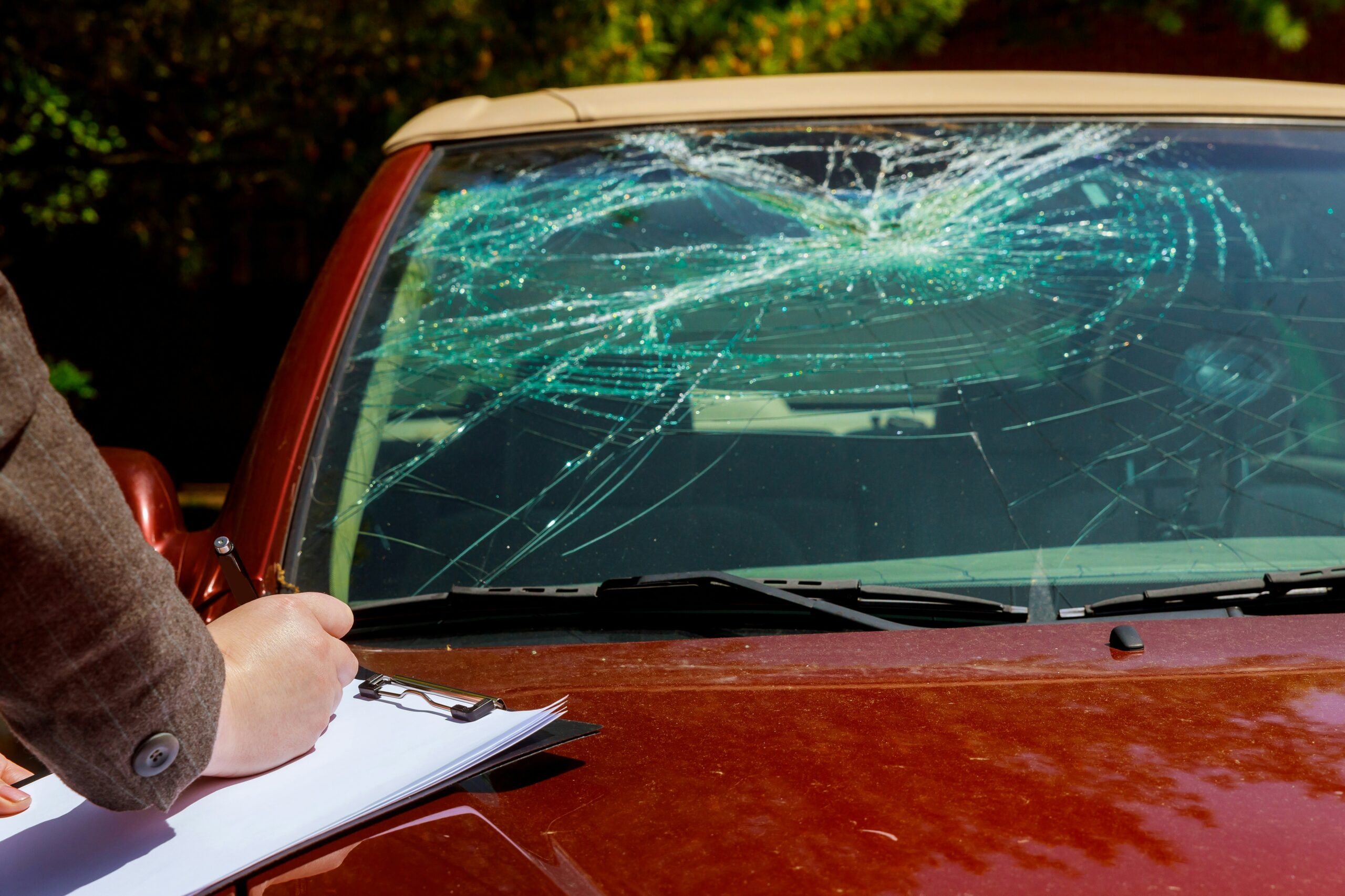
Your windshield cracks and suddenly you are looking at $300 to $800 in replacement costs. Modern vehicles with ADAS cameras may add $300 to $600 in recalibration fees on top of that. You have insurance, but does insurance cover windshield damage, and do you pay a deductible first? The answer depends on your state, your specific policy, and the type of damage involved.
Comprehensive Coverage Is the Starting Point
Windshield damage falls under comprehensive insurance, not collision or liability coverage. Comprehensive protects against non-collision events like rock strikes, vandalism, weather, falling objects, and animal impacts. Many drivers carry comprehensive but some choose liability-only policies to reduce premiums.
Check your policy declarations page or insurance card to confirm comprehensive coverage. Without it, you have no glass coverage and pay the full replacement cost out of pocket.
Zero Deductible States
Florida, Kentucky, and South Carolina have state laws requiring insurers to provide zero-deductible windshield replacement for drivers with comprehensive coverage. In these three states, your insurer must replace a damaged windshield at no cost to you regardless of your normal deductible amount.
No special add-on is required. This is automatic legal protection. Drivers in FL, KY, or SC with comprehensive coverage pay nothing for windshield replacement.
Full Glass Coverage in Other States
Most insurance companies offer full glass coverage as a policy add-on for drivers outside zero-deductible states. This rider typically costs $20 to $60 annually and waives your comprehensive deductible specifically for glass repairs and replacements.
Not everyone has this coverage because it must be specifically added to a policy. Check your policy details or call your agent to find out if you purchased this option. If you did, windshield work costs you nothing out of pocket.
When Your Deductible Applies
If you carry comprehensive coverage without a full glass rider in a non-zero-deductible state, your standard comprehensive deductible applies to windshield replacement. Common deductibles run $250, $500, or $1,000. You pay that amount and insurance covers the rest.
There is an important exception worth knowing. Most insurers waive deductibles entirely for chip repairs rather than full replacements. Repairing small damage now prevents a costly replacement later, so insurers have a financial reason to cover repairs for free.
Repairs vs. Replacements
Insurance companies strongly prefer repairs over replacements. Repairs cost $50 to $150. Replacements cost $300 to $800 plus potential recalibration. Because of this, most insurers waive deductibles for chip repairs regardless of your policy type.
This creates a real financial incentive to address small damage immediately. A repairable chip that spreads into a full crack becomes a replacement job, and your deductible kicks in.
Will a Glass Claim Raise Your Rates?
Comprehensive glass claims typically do not increase your insurance rates or trigger surcharges. Unlike at-fault collision claims, glass damage is considered random road debris, not a sign of risky driving behavior.
That said, multiple comprehensive claims in a short period could affect your rates with some insurers. Verify the specifics with your provider before filing.
What You Pay Without Coverage
Out of pocket costs for windshield replacement run $300 to $800 depending on vehicle make, model, and glass features. Heated, rain-sensing, or HUD-equipped glass costs more. Vehicles with ADAS cameras require recalibration after replacement, adding $300 to $600.
Total out of pocket costs can reach $1,400 for luxury or technology-equipped vehicles. Even paying a partial deductible is significantly better than covering the full bill.
How the Claim Process Works
Call your insurance company to initiate a glass claim. Most insurers direct you to approved shops where direct billing eliminates out of pocket costs beyond your deductible. Some allow you to choose your own shop, though you may pay the difference if that shop charges more than the insurer allows.
State-Specific Variations
Arizona has special provisions for windshield coverage. Massachusetts and Minnesota also have unique glass coverage rules. Some states allow insurers to raise deductibles after glass claims while others prohibit this entirely. Check your state’s specific regulations or consult a local insurance agent familiar with your area.
Do Not Wait Until You Need It
June is prime season for windshield damage. Heat accelerates crack spreading, turning a repairable chip into a full replacement quickly. Review your policy declarations page now. Call your agent and confirm your glass coverage details. If you lack full glass coverage and live in a state where it is optional, adding it for $20 to $60 annually is worth considering against a potential $250 to $1,000 deductible later.
Talk to Your Agent Today
Understanding your coverage before damage happens puts you in control. Contact your insurance agent, review your policy, and make sure you know exactly what you are covered for before you need to find out the hard way.