
Most drivers assume window tint is a summer purchase. That assumption costs them money and comfort for half the year. If you’ve been putting off tint until spring, the timing logic doesn’t hold up as well as it seems.
The Sun Angle Problem Nobody Mentions
Summer sun sits high overhead. It hits your windshield and roof more than your side windows. Fall sun behaves differently.
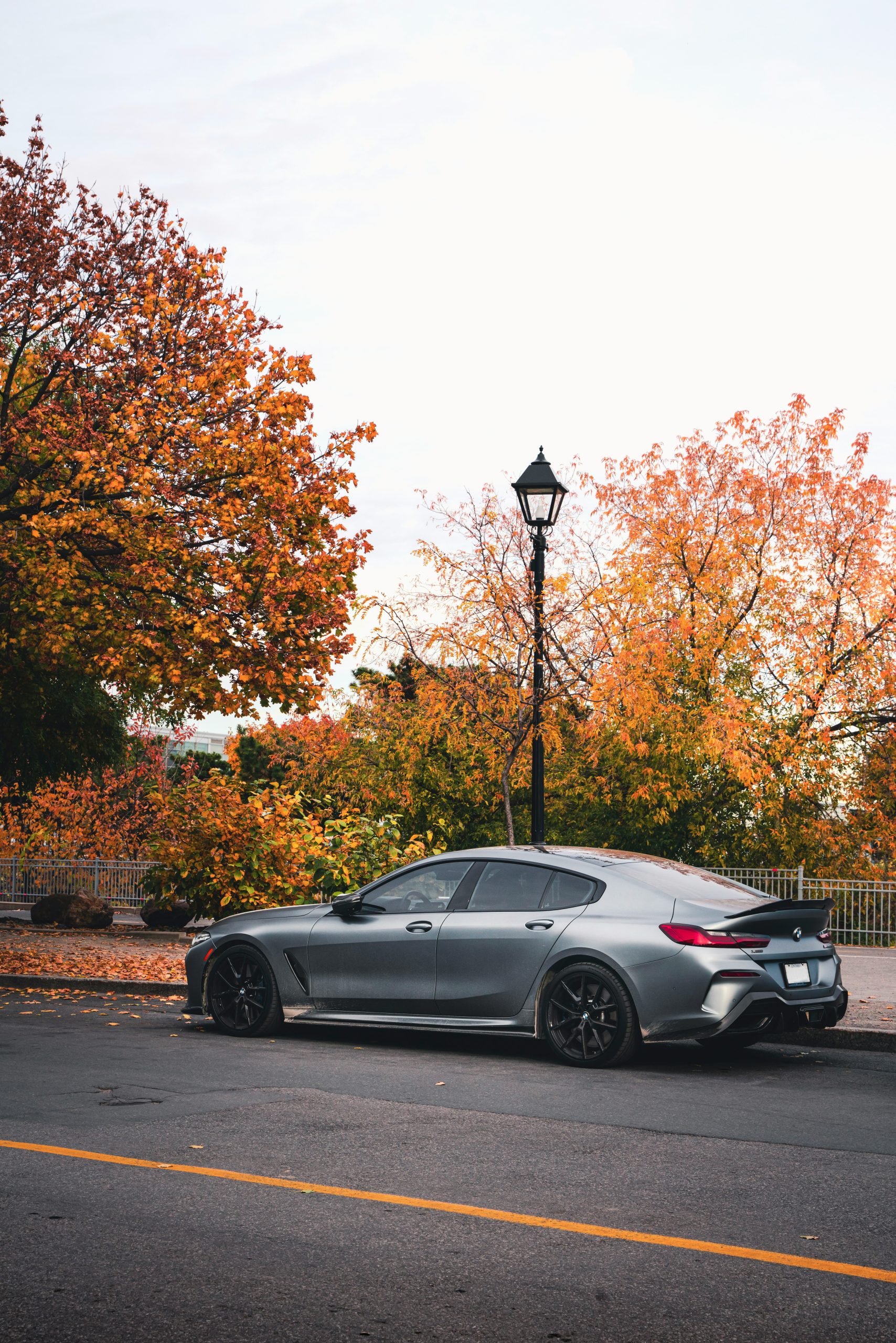
From late September through November, the sun drops toward the horizon. It comes in low, right through your driver-side window, during your exact commute hours. Morning drop-offs and evening drives become genuinely uncomfortable. Tint solves this glare problem now, not six months from now.
Heat Savings Don’t Pause for Winter
Summer heat is the obvious reason people think about tint. But the cost of skipping it shows up before summer ever arrives.
Ceramic tint can reduce cabin heat by roughly 50 to 60 percent. Less heat means your air conditioning works less on every trip. That translates to better fuel efficiency and less strain on your AC system over time. Drivers who skip tint through summer often notice it on their fuel and electric bills. Waiting until spring just delays those savings by another season.
Spring Pricing Runs Backward From What You’d Expect
A lot of people assume spring brings better deals on tint. It’s usually the opposite.
Spring is peak season for tint shops nationwide. Appointments often book two to three weeks out. Some shops raise prices between March and May to match demand. Fall, by contrast, is shoulder season. Appointments are typically easier to get, and pricing tends to stay competitive without a seasonal premium. Booking now often means less waiting and less cost than booking in April.
UV Damage Doesn’t Take a Winter Break
Many drivers assume UV exposure is mostly a warm-weather issue. It isn’t.
UV rays cause an estimated 40 percent of interior fading, and that exposure continues through fall and winter. Dashboards, leather seats, and upholstery continue to absorb UV damage regardless of the season. Waiting until spring means giving up several months of protection you could have started now. That’s a real cost in long-term interior wear, not just a hypothetical one.
A Small Bonus: Fall Light Flatters Tint
This one is minor, but worth mentioning. Golden hour light in September and October tends to make quality ceramic tint look richer and more finished. Summer’s harsher overhead light doesn’t show off the film the same way. It’s not a reason to tint on its own, but it’s a nice side effect for anyone who cares about how their vehicle looks.
Where Spring Actually Makes Sense
There’s one legitimate case for spring timing. If you’re taking delivery of a new vehicle in April and want it tinted before you drive it, doing it around that delivery date makes sense. That’s a scheduling decision tied to the car, not a seasonal argument about tint itself.
For everyone else, someone who already owns their vehicle and is simply deciding when to book, fall wins on nearly every practical measure: immediate glare relief, lower demand pricing, faster scheduling, and UV protection that starts working right away instead of in April.
The Bottom Line
Fall tint addresses the discomfort you’re dealing with today, not a problem six months out. It typically costs less and books faster than spring appointments. It starts protecting your interior immediately instead of after months of continued UV exposure. And it means your vehicle enters next summer already prepared, without a spring scramble.
The only scenario that favors spring is coordinating tint with a new vehicle delivery. If that doesn’t apply to you, there’s little reason to wait.
If you’ve been putting off window tint, late September is a strong time to book. Appointments at quality shops are filling up as more drivers notice the same fall glare problem on their daily commutes. Call this week to get scheduled before the shoulder-season openings close up.